Warneford Meadow Barn Owl

Excuse me, are you looking at birds?

This is a familiar and well-used introduction, usually from a non-birder to a birder. It is slightly preferable to “What are you looking at?” Often folk are just curious as to why someone might be standing in a meadow, binoculars around their neck, looking up at the sky with a microphone next to them. It’s a fair question. However, explaining the intricacies of recording visible migration is often beyond the limits of my patience, so I usually just say “yes“.

On this occasion, the person making inquiries wanted some help identifying a bird that they had seen. My heart sank a little. This might not be a quick interaction and more importantly, our conversation might drown out the flight calls of Hawfinches passing overhead. Then suddenly I became much more interested:

“It was a large white bird, bigger than a Kestrel, floating low over the meadow in the very last of the light, occasionally dropping down, then rising up again

It was a perfect description of a Barn Owl hunting. Barn Owls are very rare up here. Isaac West and I sounded recorded one calling when we were out listening for Common Scoters in the spring of 2021. We never saw that bird and it has remained the sole Lye Valley area record over the last six years. I was intrigued by the dog-walker’s report, even though the bird was only seen once, and that was several days ago.

On Thursday evening, I visited Warneford Meadow as the light was fading. By 5pm it was dark and I was just about to return, when a ghostly pale shape floated across the meadow in front of me: Barn Owl! I took some video of the owl hunting, the lights of the Churchill Hospital bright in the background:

I watched the Barn Owl hunting for about 20 very special minutes, amazed that it had found this small area of meadow in urban Oxford, completely surrounded by housing and hospitals.
This was my 700th visit to the Lye Valley area, and Barn Owl is the 81st species that I have recorded here this year. The illustrated list of all 112 species recorded in the Lye Valley area is here.
August Highs

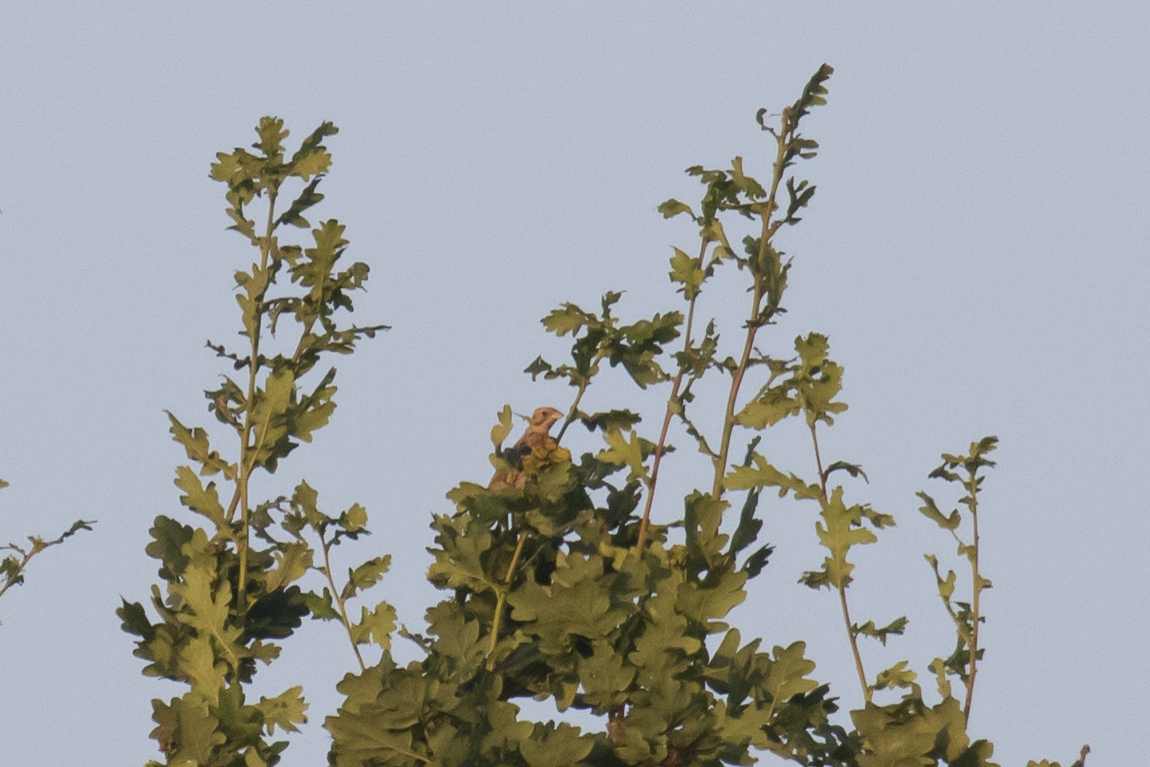
After the lull in migratory bird movement that is June and July – a period that I just about get through with gritted teeth – August brings more hope. The species that I target are Yellow Wagtail, Spotted Flycatcher and Tree Pipit. None are guaranteed in urban Oxford, but most years see one or two records of some of these species. Passerine migration kicked in early in the Lye Valley this year, with small numbers of juvenile Willow Warblers and the first Lesser Whitethroat of the year all being recorded in the first week of August. The first of the scarce August trio fell on 9th August, when a Yellow Wagtail flew over Warneford Meadow, calling loudly. There was then another quiet period, although large roving flocks of Tits, Chiffchaffs, Blackcaps and Willow Warblers kept up interest. Almost as soon as we entered the second half of August, I struck patch gold. A chunky-looking brown finch was flushed by a dog walker on Warneford Meadow. The movement and the call instantly attracted attention: a hard “tic, tic, tic“, a call like nothing else I had heard on the meadow in over 500 visits. Fortunately the bird perched for a few seconds on a distant oak:

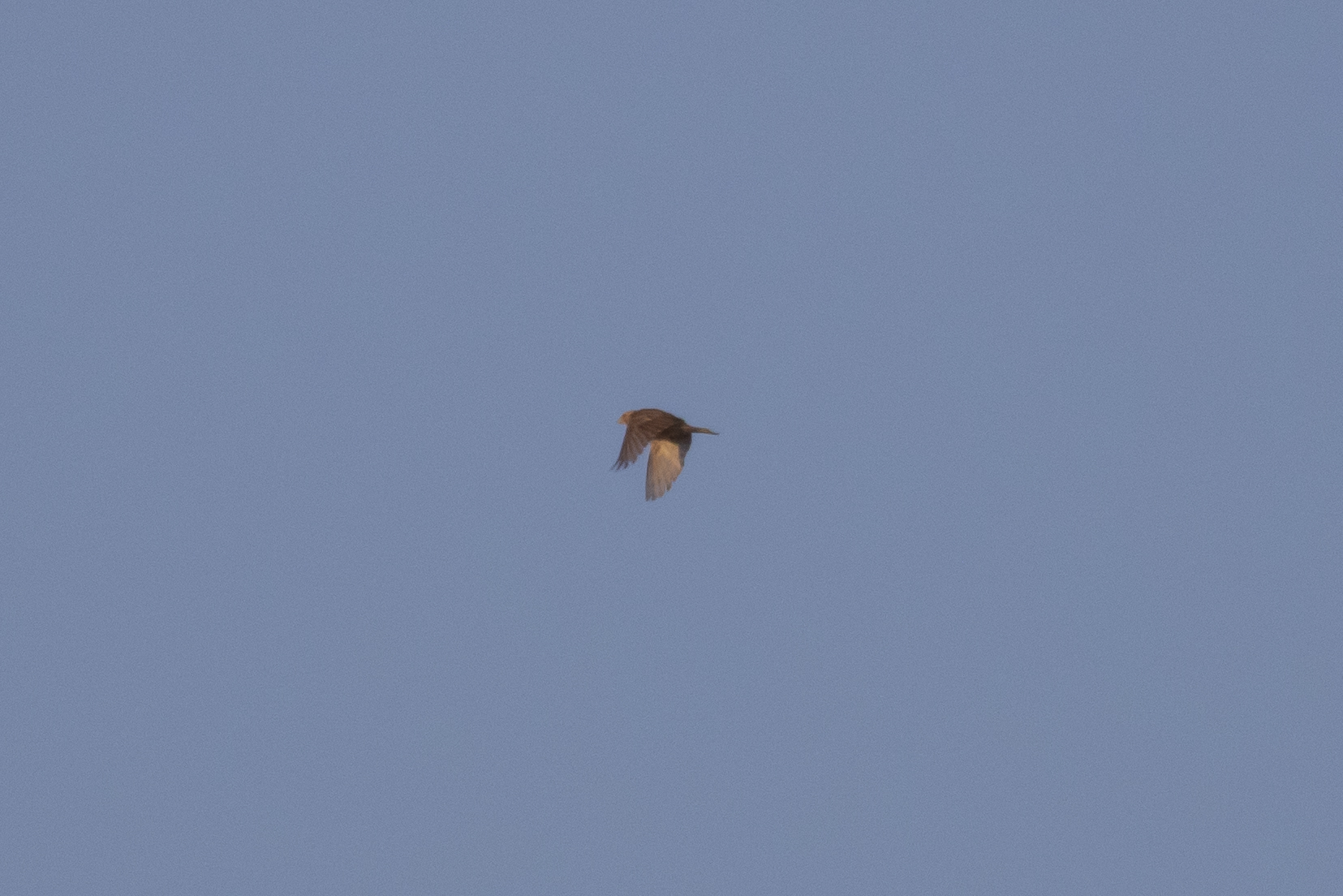
A Corn Bunting! Almost as soon as I said the words, it took off and flew strongly south, over the golf course and away:

Although Corn Bunting now breed quite close to the city, records from within the ring road are exceptionally rare. There are no Oxford city records of Corn Bunting on the OOS database or on eBird. Asking around within the local birding community revealed that the last confirmed record of Corn Bunting in Oxford city was a breeding record in 1980, some 43 years ago! (Bayliss (1982) per Ben Sheldon). Ian Lewington commented that this looks like a juvenile bird, perhaps engaging post-breeding dispersal. Many thanks to Ian and Ben for their input.

My adrenaline levels had only just recovered, when two days later, on Saturday 19th August, I heard a loud clear flight call, the classic high-pitched, buzzy “tzeep“, from a migrating Tree Pipit. Looking up revealed two pipits flying south-west, not that high above trees of Warneford Meadow. I used to try to photograph flyover migrants, but in many ways a recording of the flight call is more definitive evidence of the identification. The challenge of recording Tree Pipits is that they go over quickly and don’t call constantly. As soon as I heard the first flight call, I hit record on my phone, but by the time the birds called again they were too distant for my phone to pick up the call clearly.

Nevertheless, I was stoked, the second of the August trio had fallen and this was the earliest Tree Pipit I have recorded here by two days, plus the first record of more than one bird. Overall, this is the seventh Tree Pipit record at this site over the last four years, some details of the other records are here. Now for Spotted Flycatcher to complete the set!

Devoured by dragons

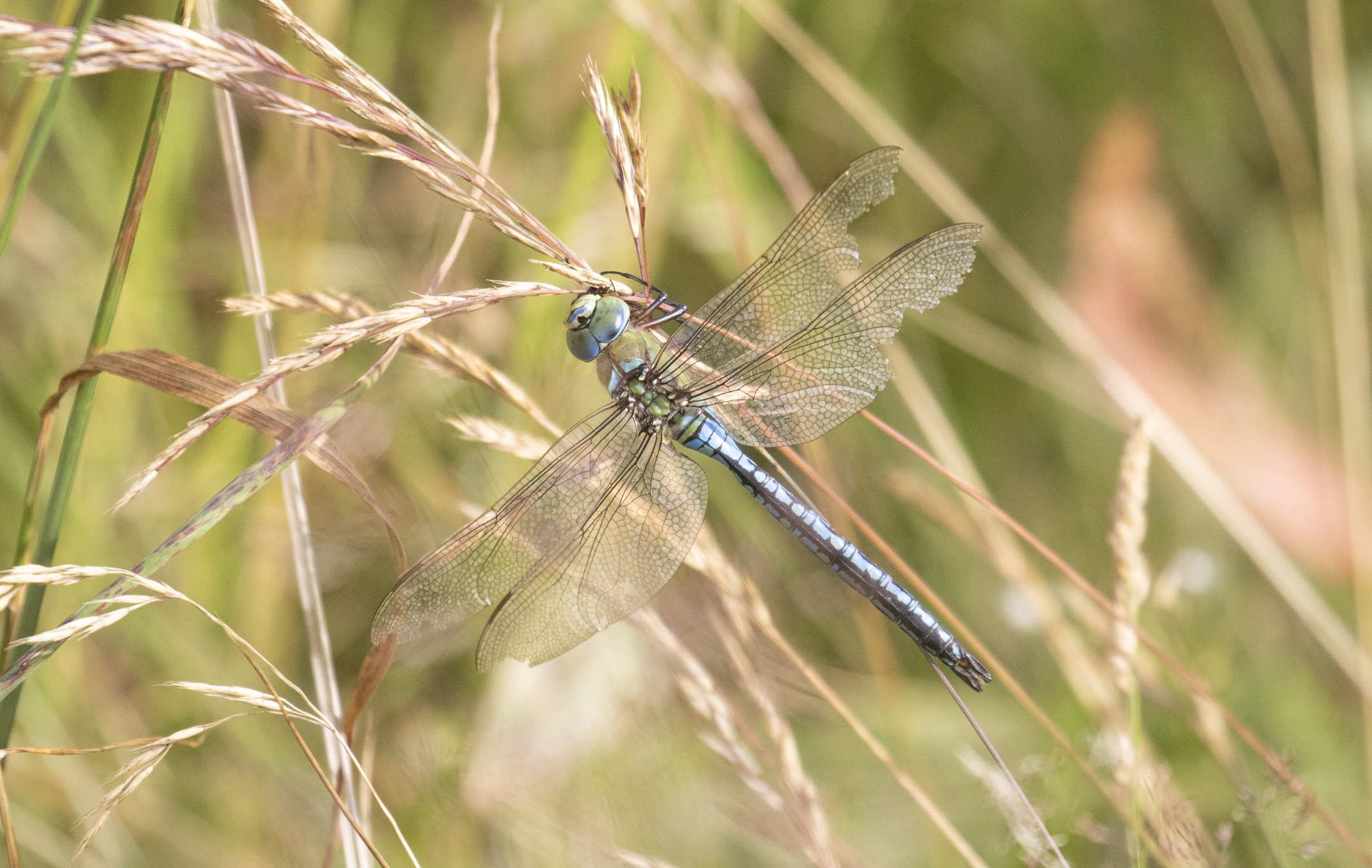
Both the local meadows, Warneford Meadow and Churchill Meadow, were being patrolled by Britain’s largest dragonfly this morning, the huge Emperor Dragonfly. They cruised up and down the paths, glowing blue, aggressively investigating any passing insect, butterfly or human. Sometimes they approached at eye level and paused, hovering, a few meters in front of my face. Despite the fact that dragonflies have been pretty much unchanged for most of the last 300 million years, the experience was more akin to being scanned by a remote AI drone. The Warneford Meadow male had been in the wars and had damage to three of his four wings:

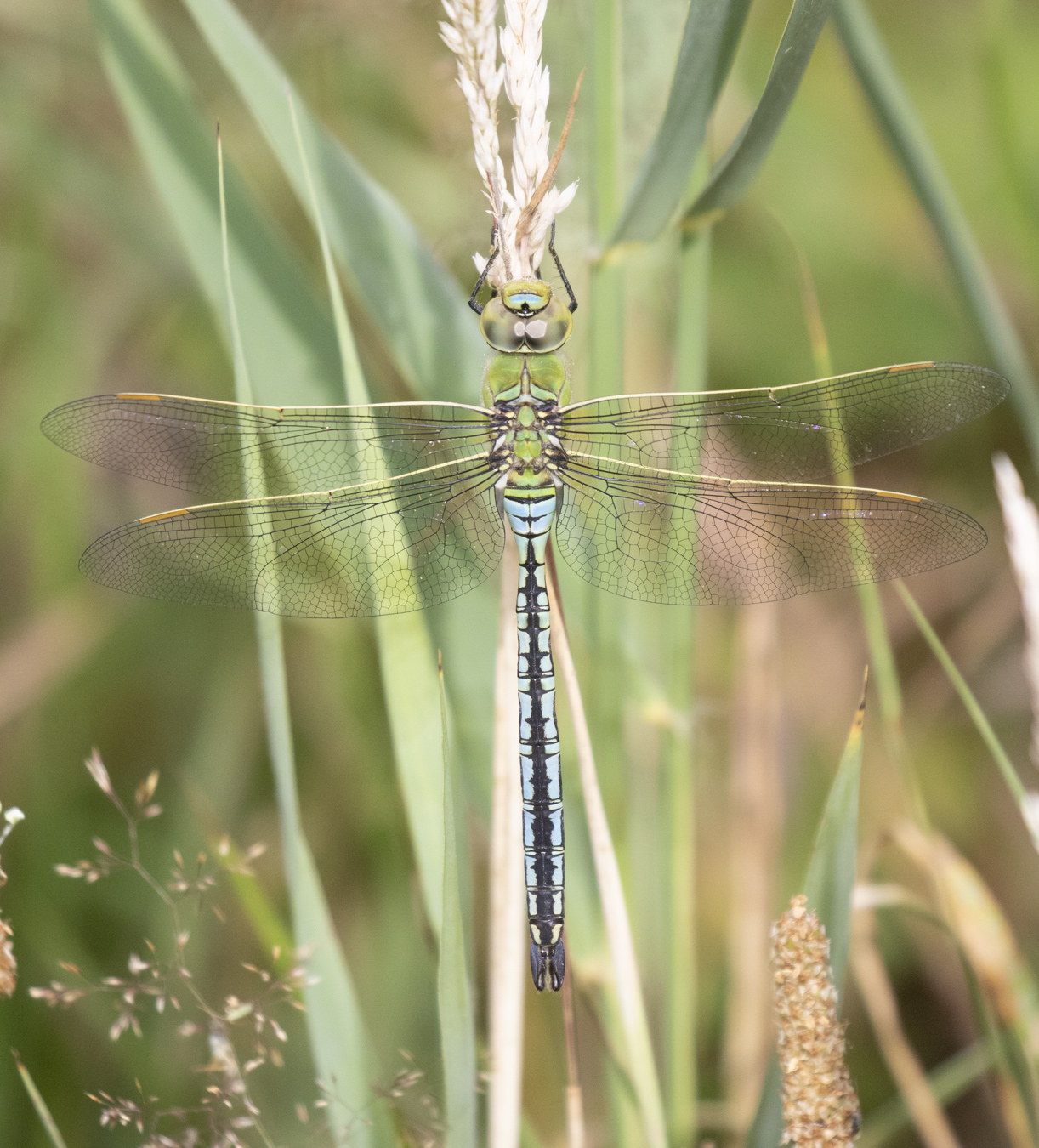
The Churchill Meadow male was immaculate. It had a bright green thorax, without the thick black lines and yellow “headlights” of a Southern Hawker, and with an obvious black line running down the length of the long, blue abdomen:

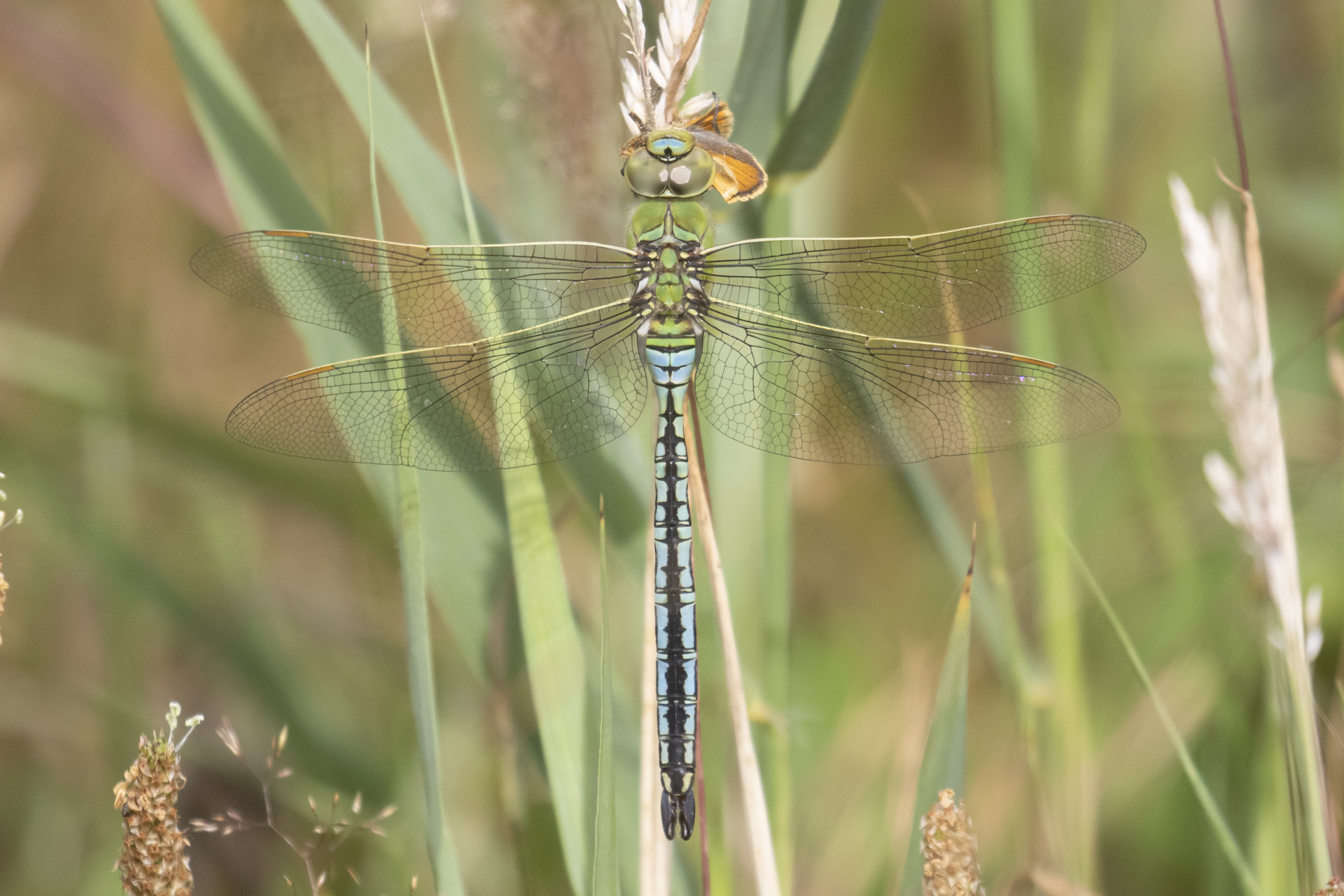
As I watched this male take patrolling flights up and down the path towards me, he suddenly jinked off to the left and plucked a Small Skipper butterfly from the air. Quickly settling down on a grass stem, the Emperor Dragonfly then proceeded to devour the butterfly, head first!

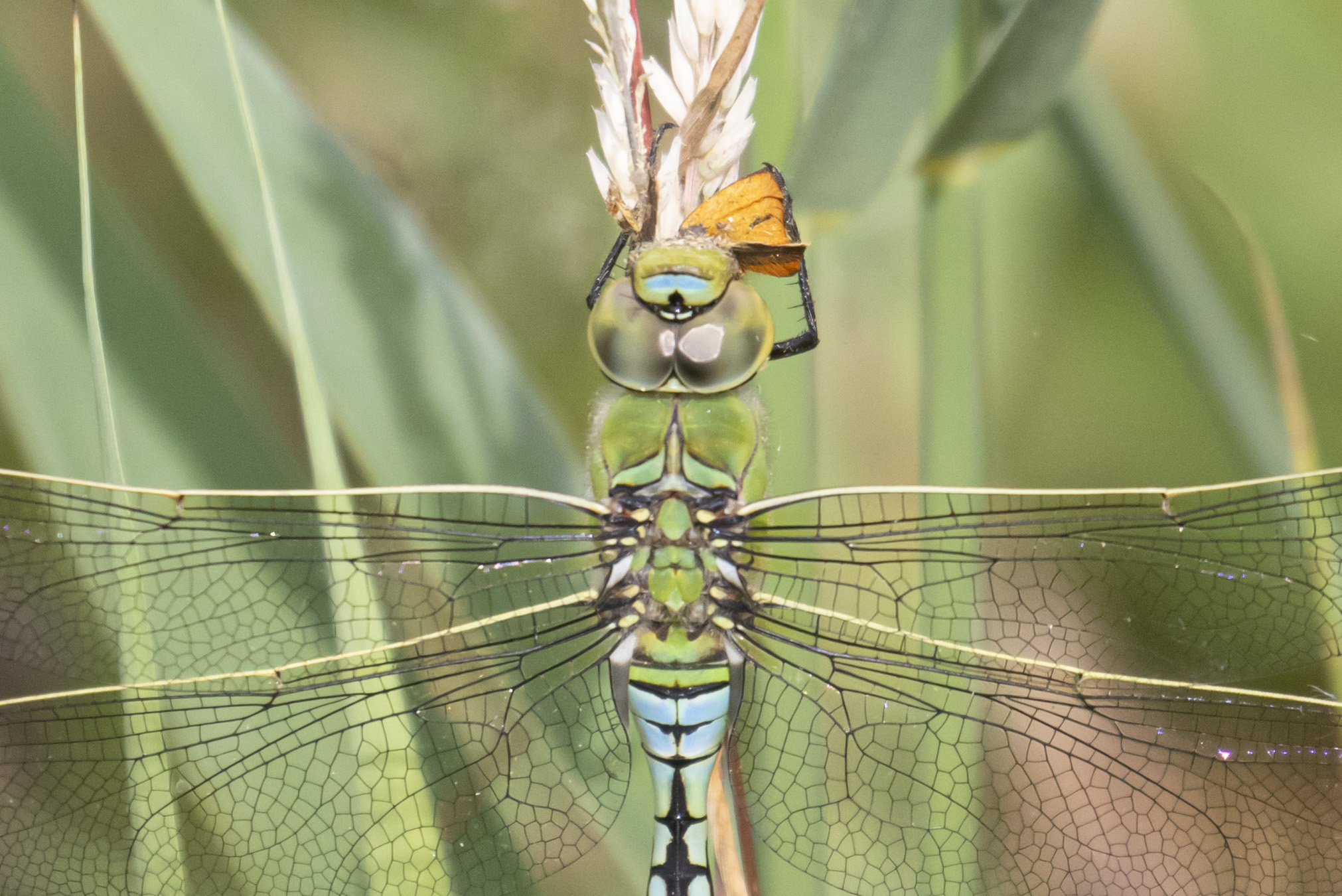
Below, using the front legs to finish the meal. Literally devoured by dragons:

Frozen fungi and the first song

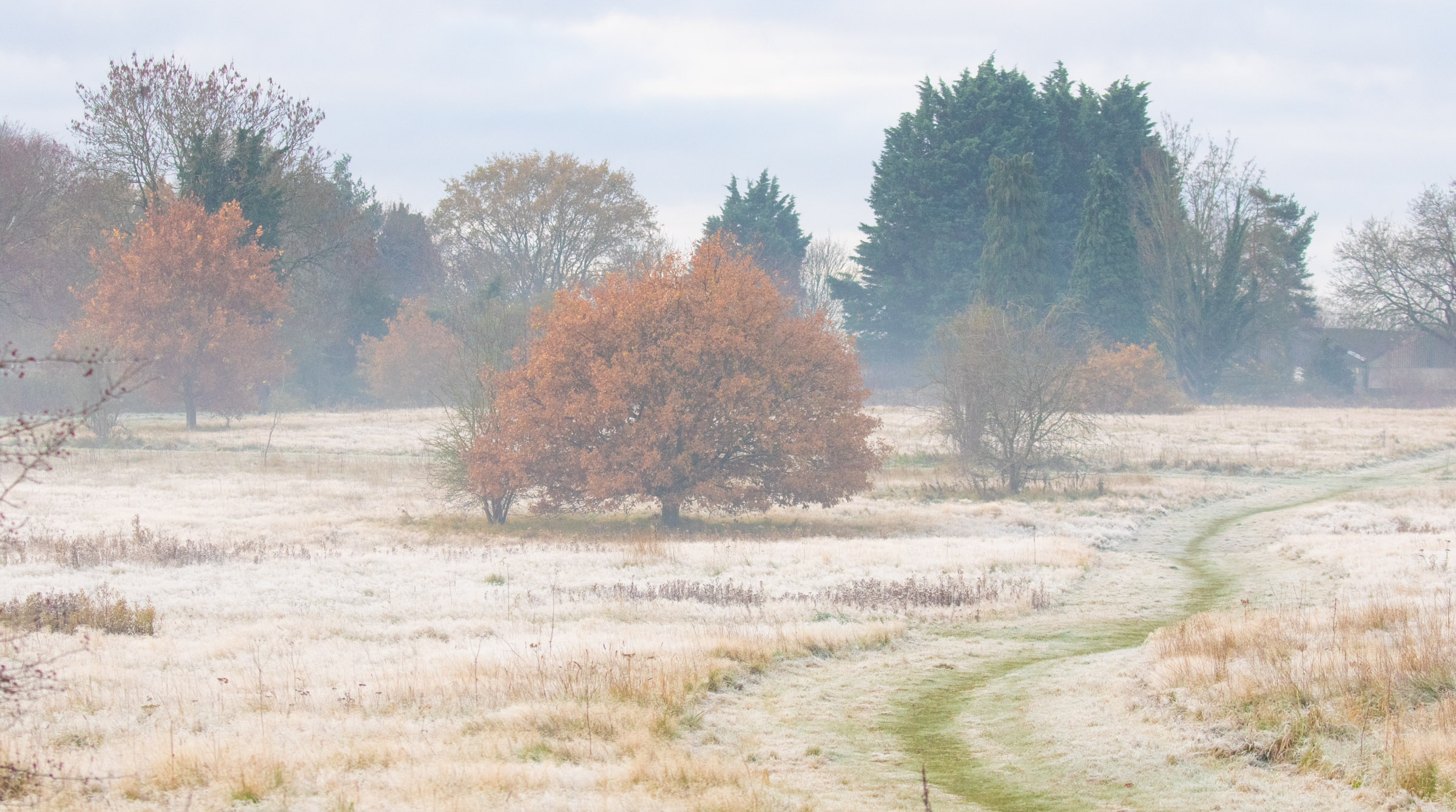
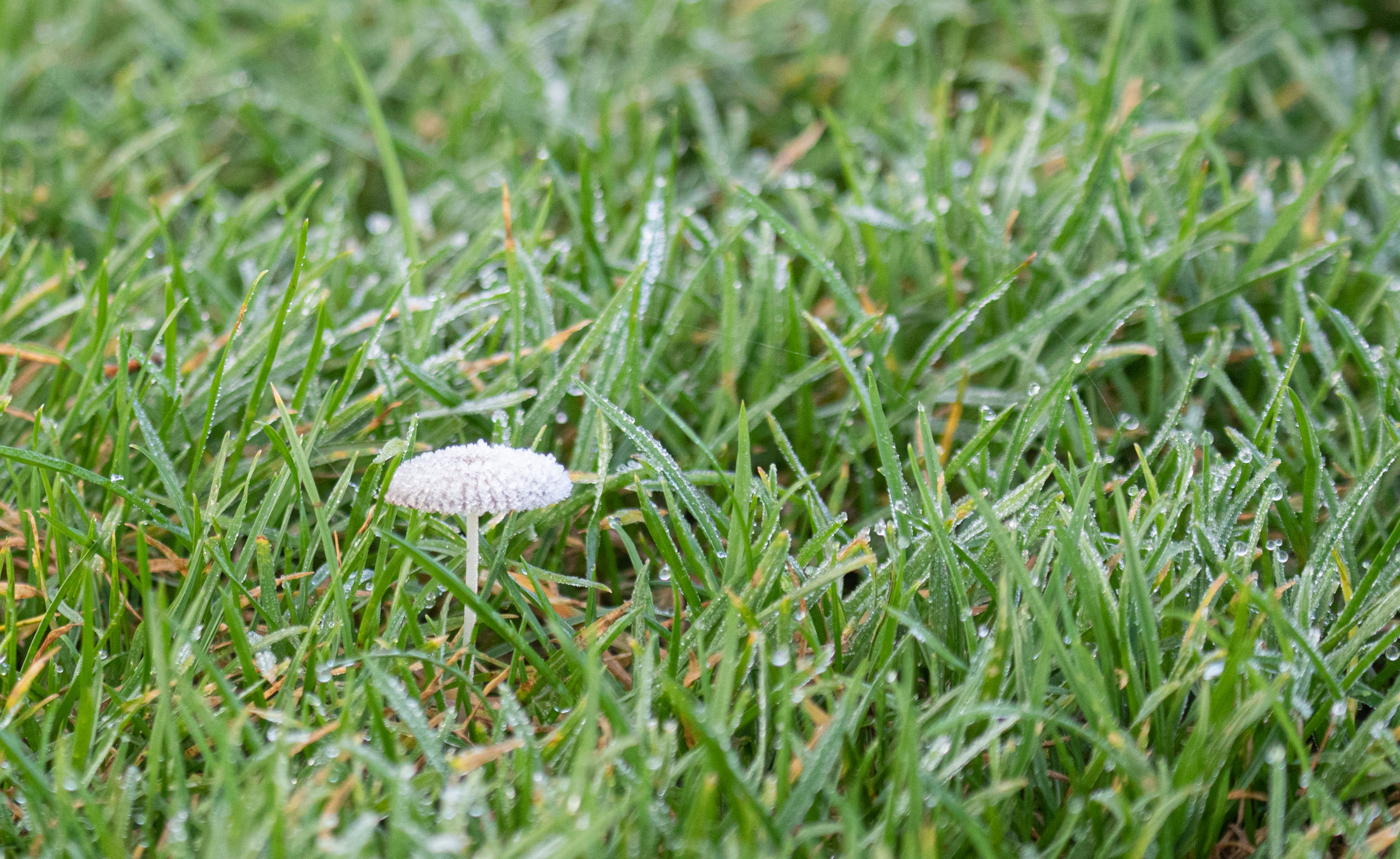
This morning dawned cold, with frost crunching underfoot and a light mist clinging to the coldest areas. The early winter gold and browns of Warneford Meadow, above, turned white at least until the sun burnt through. On the golf course, ice crystals coated the grass blades and froze fungi into tiny cut glass mushrooms:

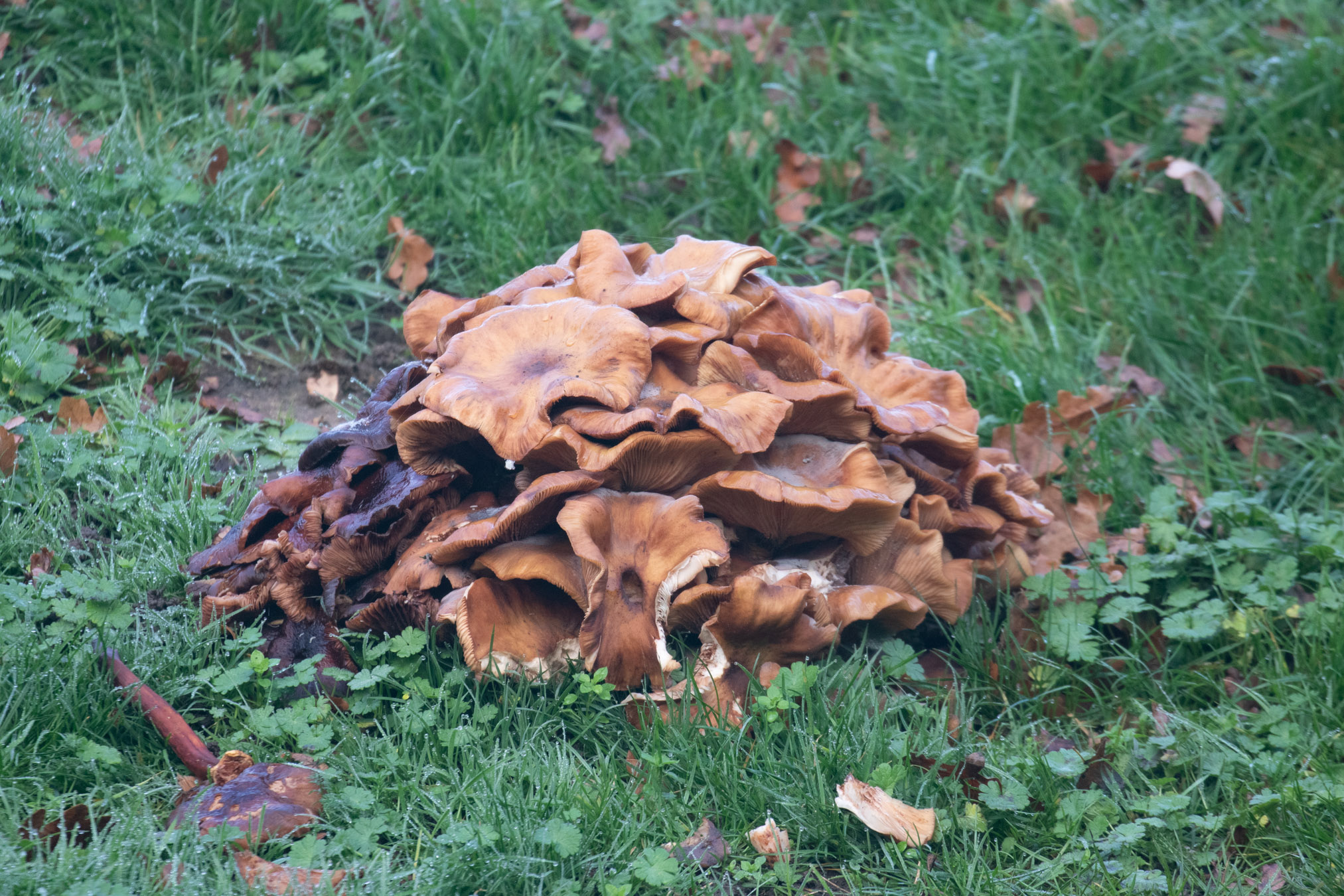
Some of the larger fungi, protected from above by tree branches, remained frost free:

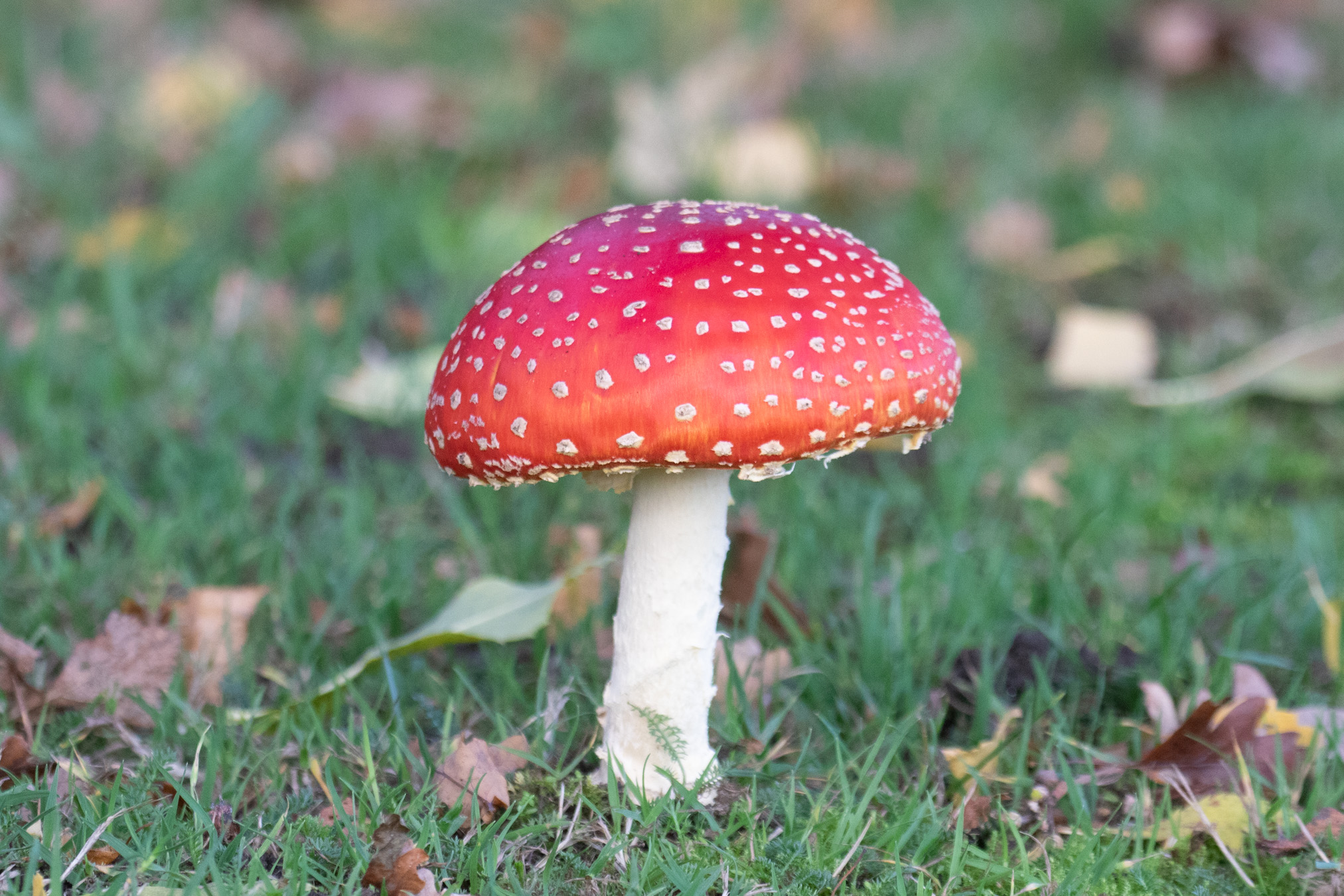
The Fly Agaric mushrooms, which could be found beneath the Silver Birches of the golf course until late October, have long gone:

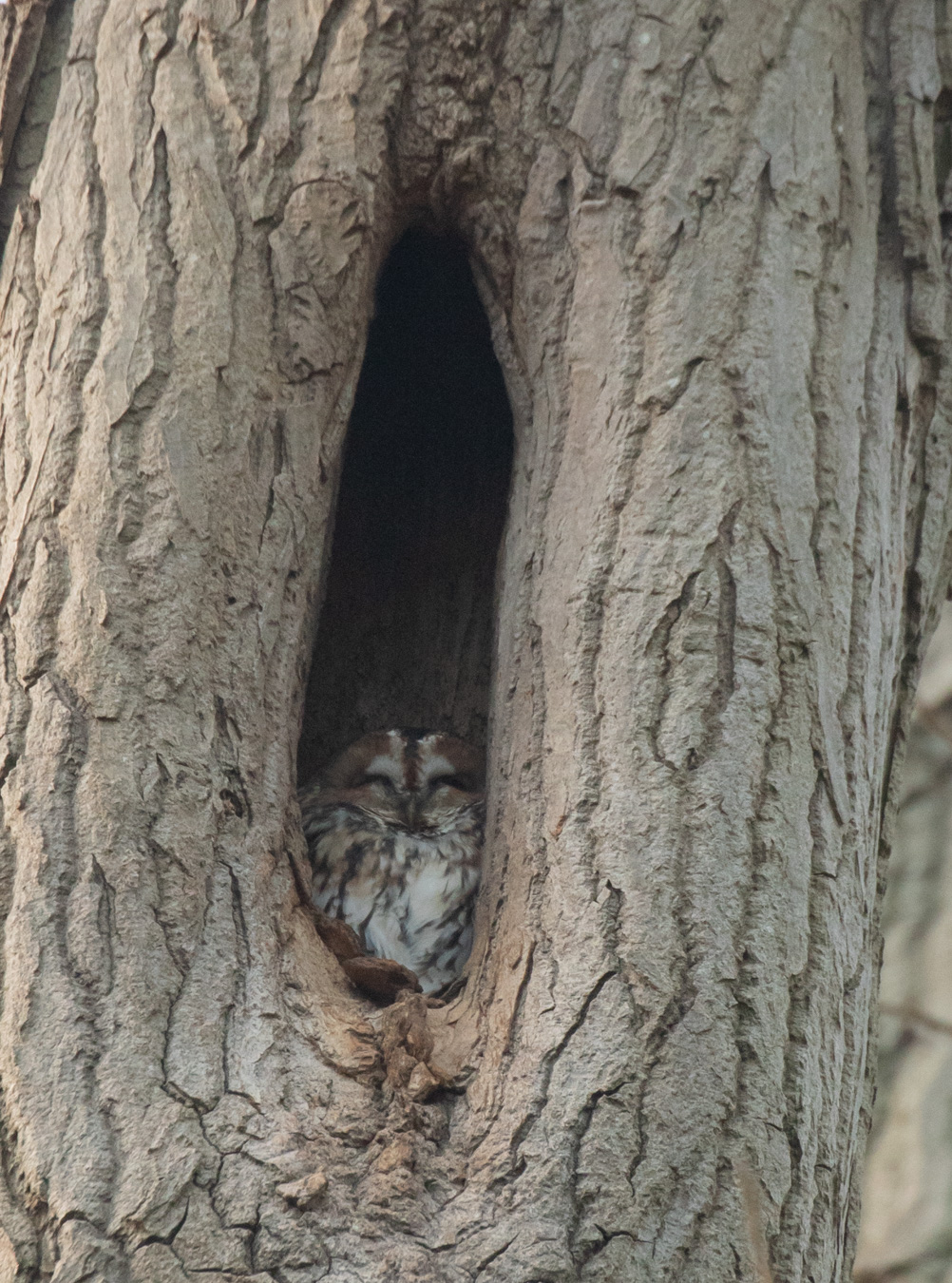
A pale shape, high up in a hole in a poplar tree, revealed a sleeping Tawny Owl. The pale feathering above the eyes may help break up the bird’s outline and provide camouflage:

This may be one of the birds that bred locally, pictures of an adult and fledged chicks can be seen at the end of this post from May.

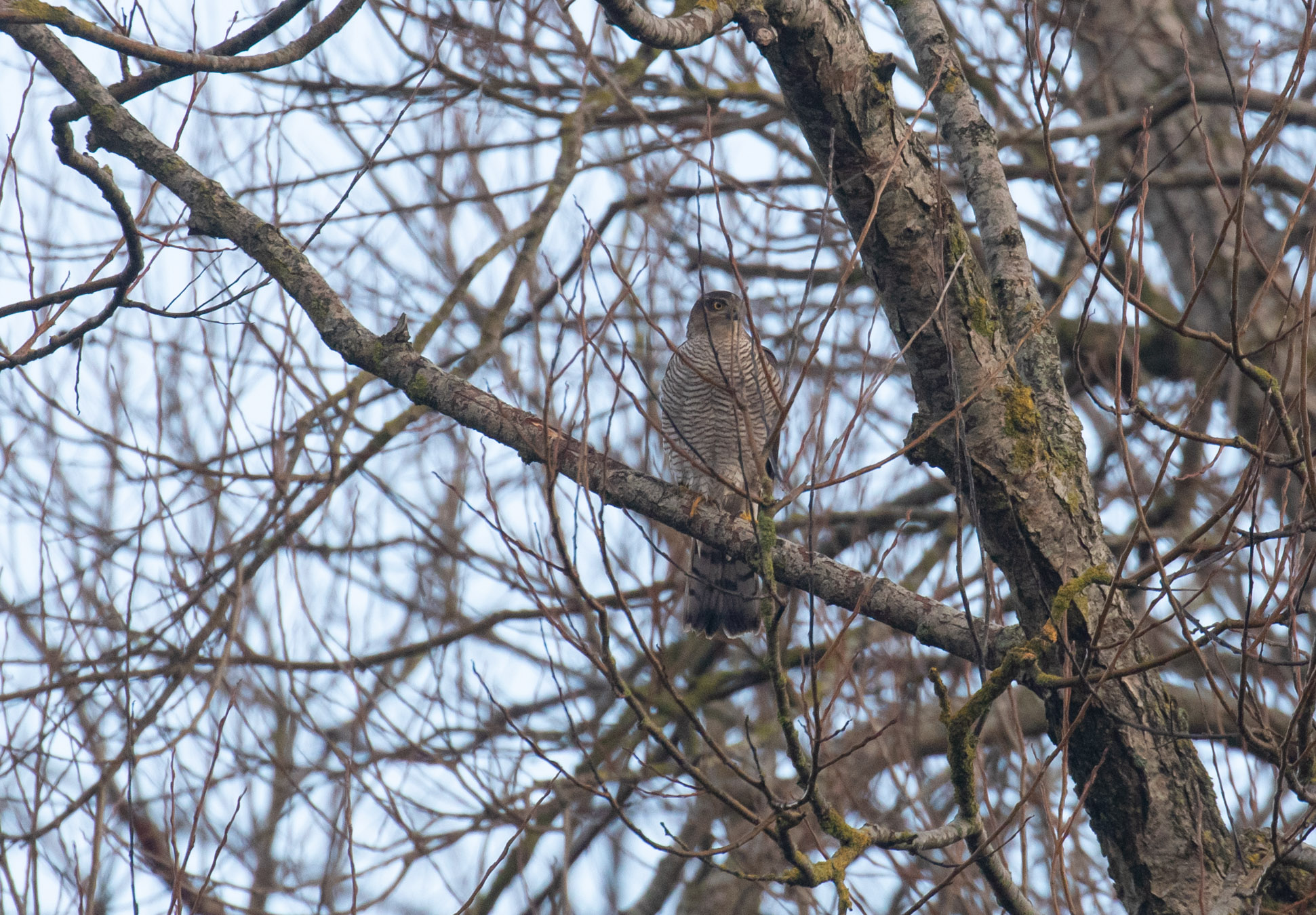
This morning was a good morning for raptors too, though the low temperatures meant that most were sitting perched awaiting the warmth of the sun. A male Kestrel sat in willows near the Churchill Hospital pond; a Buzzard brooded on a tree on the golf course and this female Sparrowhawk sat unobtrusively above Boundary Brook:

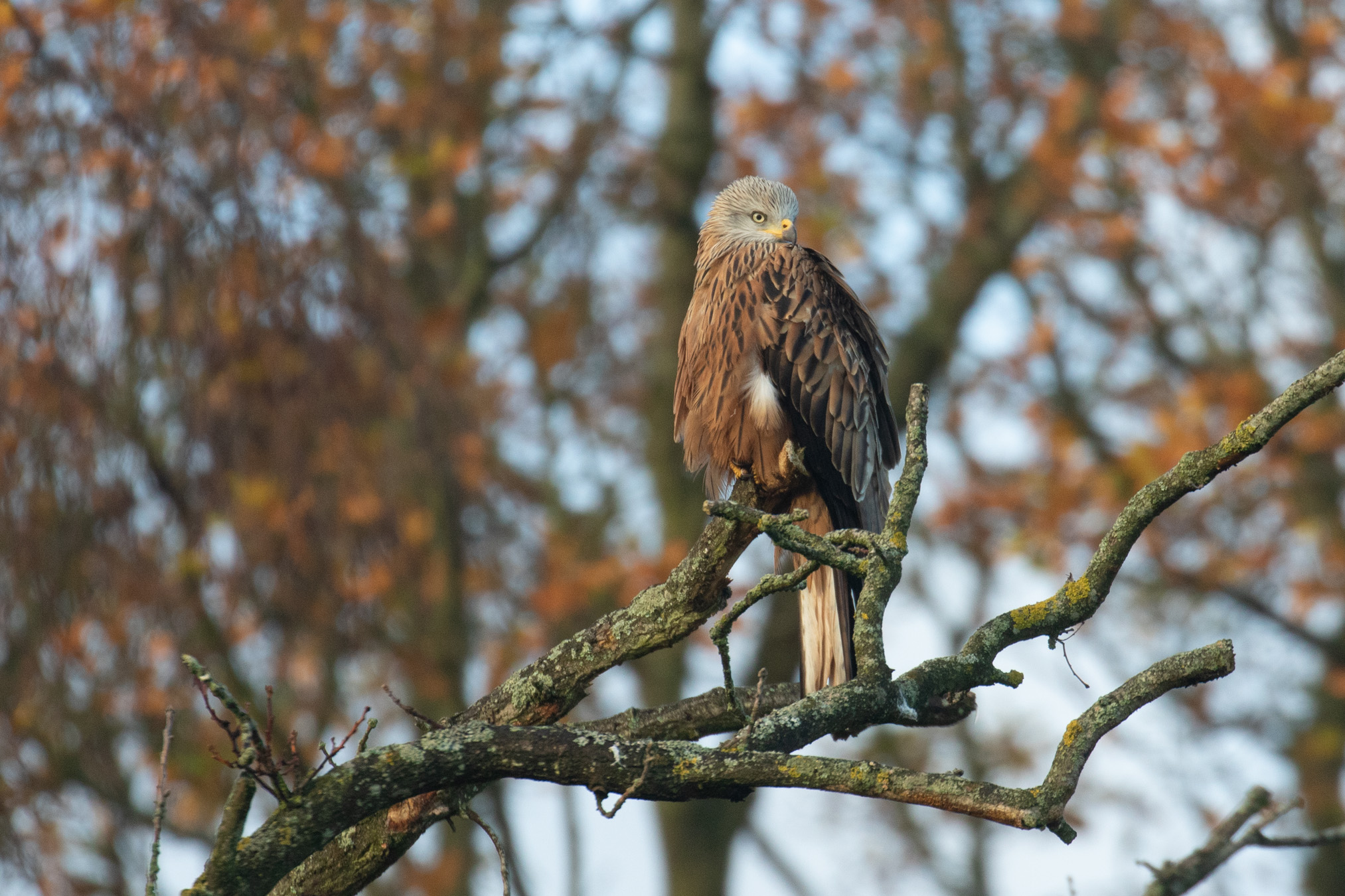
Being larger raptors, the local Red Kites sat out on more prominent perches, catching the cold November sun:

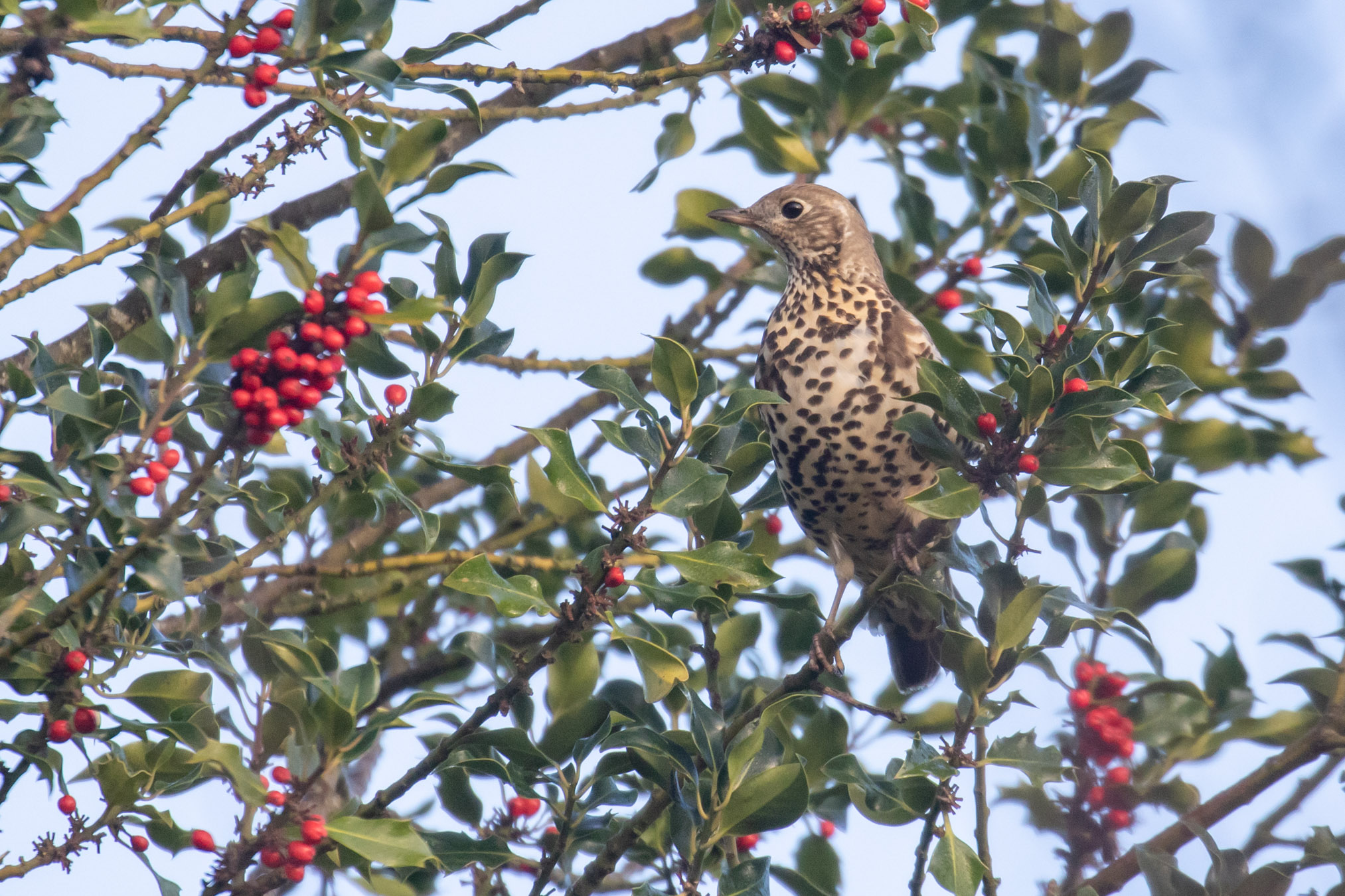
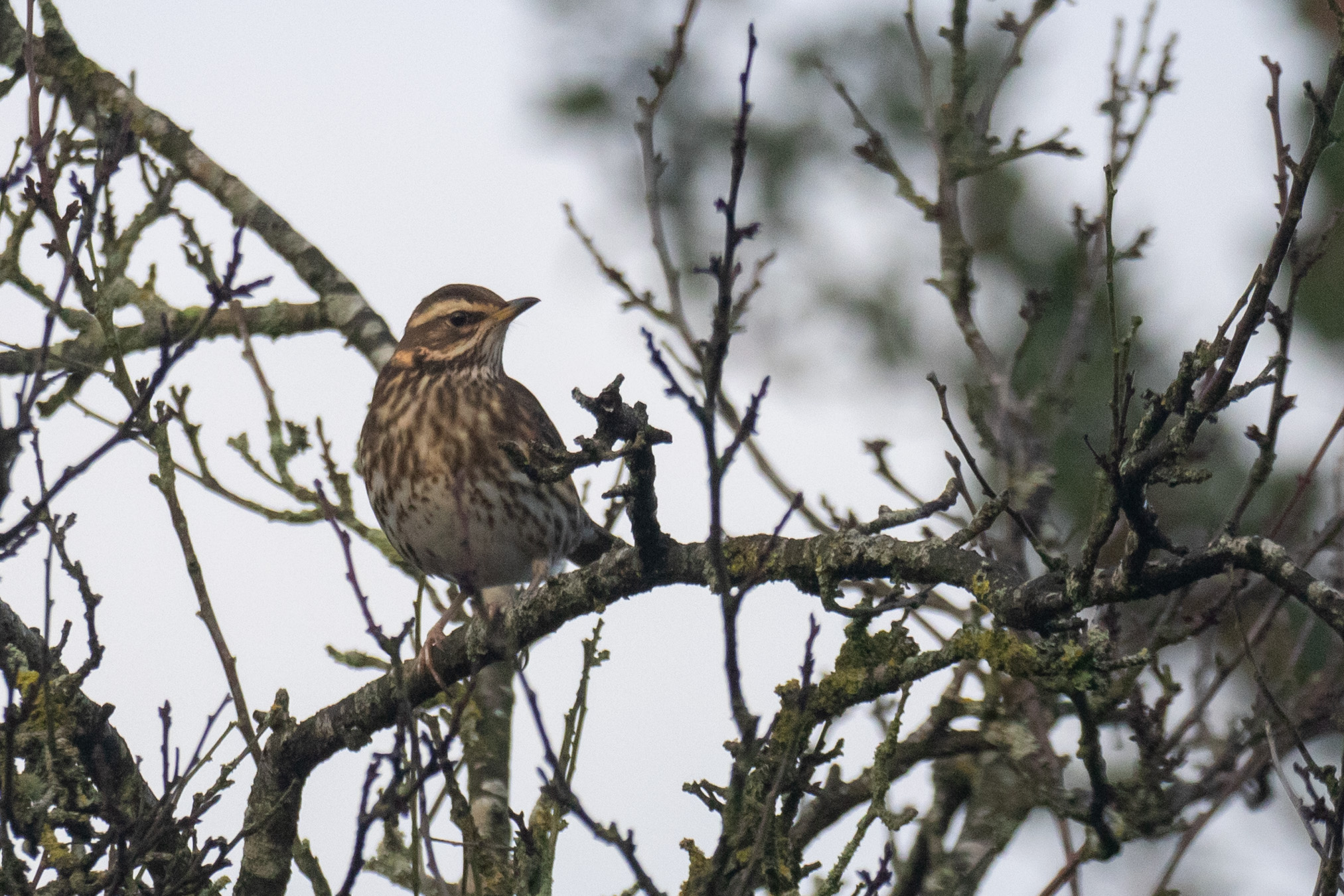
This has been a much more productive winter for thrushes and finches than last winter in the Lye Valley and Warneford Meadow area. In the winter of 2019-20, I struggled to record single figure numbers of Fieldfares, Siskins or Redpolls. This winter all have returned in good numbers. Siskins have been recorded in flocks of up to 35, Lesser Redpoll is frequently recorded and there are up to 50 Fieldfares and between 50-100 Redwing present during most visits this month. The thrushes, including this Mistle Thrush and the Redwing below it, are drawn to the holly berries:

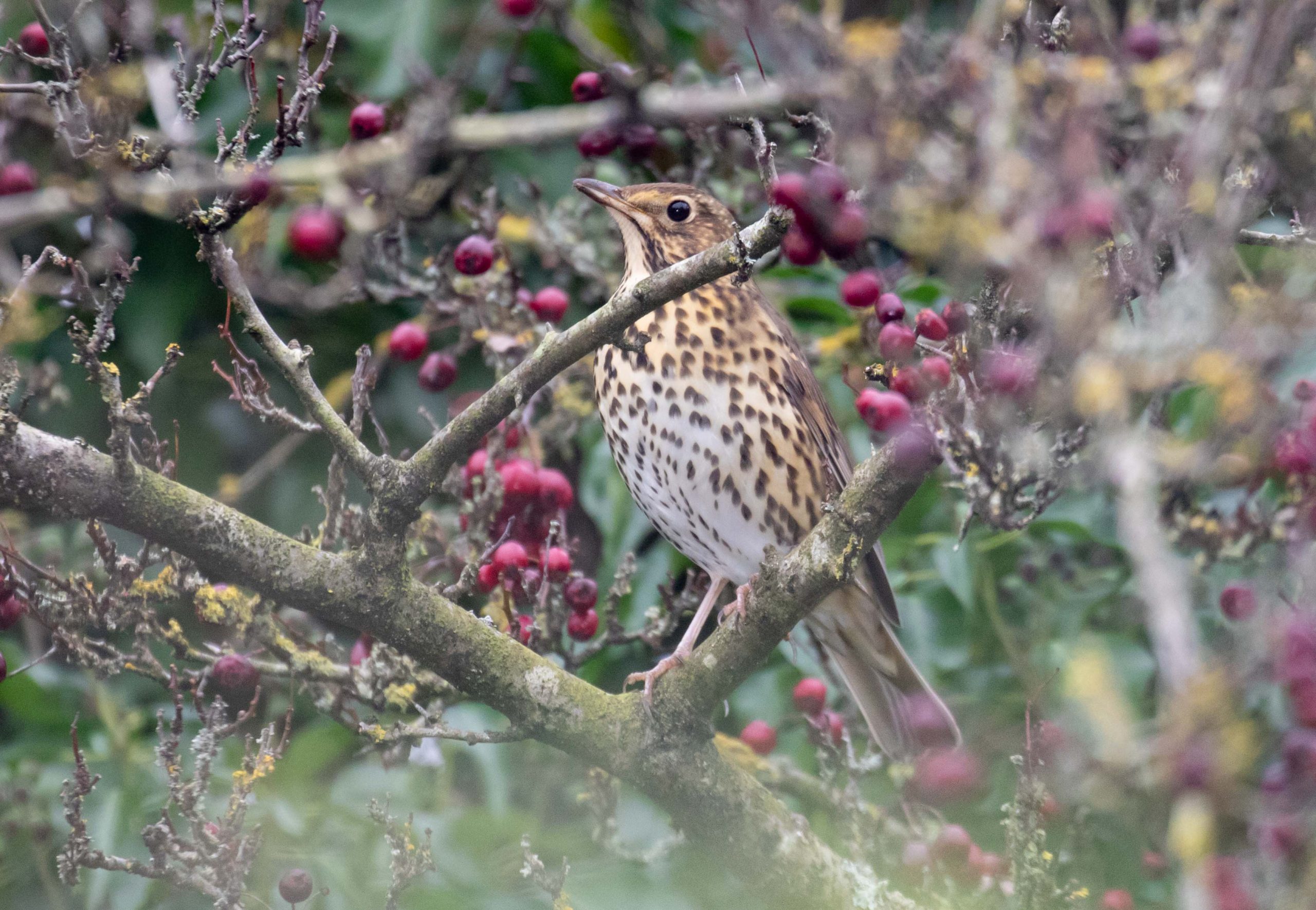
But even as the nights draw in and the days approach their shortest length, some birds are preparing for the next breeding season. On 16th November this Song Thrush became the first singing thrush recorded since mid-summer. This morning three were in full song. There are four weeks to go before the shortest day, but for some, spring is already on the way.

error: Content is protected !!