
We stood, taking in our first views of the Puig des Fangar, the pine-covered hill that formed the backdrop to our house. The pine forests cloaked the steeper terrain. As the ground levelled off, they were replaced by deciduous trees, then agricultural fields. As the scent of warm pine forests washed over us, the calls of Common Crossbills rang out. This was going to be good.

Then something small and yellow fell from above, twisting and spinning, landing on the ground between our sandalled feet. In silence we looked down. It was the single wing of a Swallowtail butterfly. Beautiful, pristine, but completely detached. Somewhere above us, a Preying Mantis, or a bird, had just predated the butterfly and detached its wings.

There was no shortage of insects here.


Insects mean birds and there was no shortage of interesting birds. Small flocks of Western Cattle Egrets fed in the fields, whilst the immediate area around our house held the ubiquitous Sardinian Warblers, Common Chaffinches, European Greenfinches, European Goldfinches, Red-legged Partridges, Common Firecrests and huge numbers of House Sparrows and Collared Doves. Even better were singing Cirl Buntings:

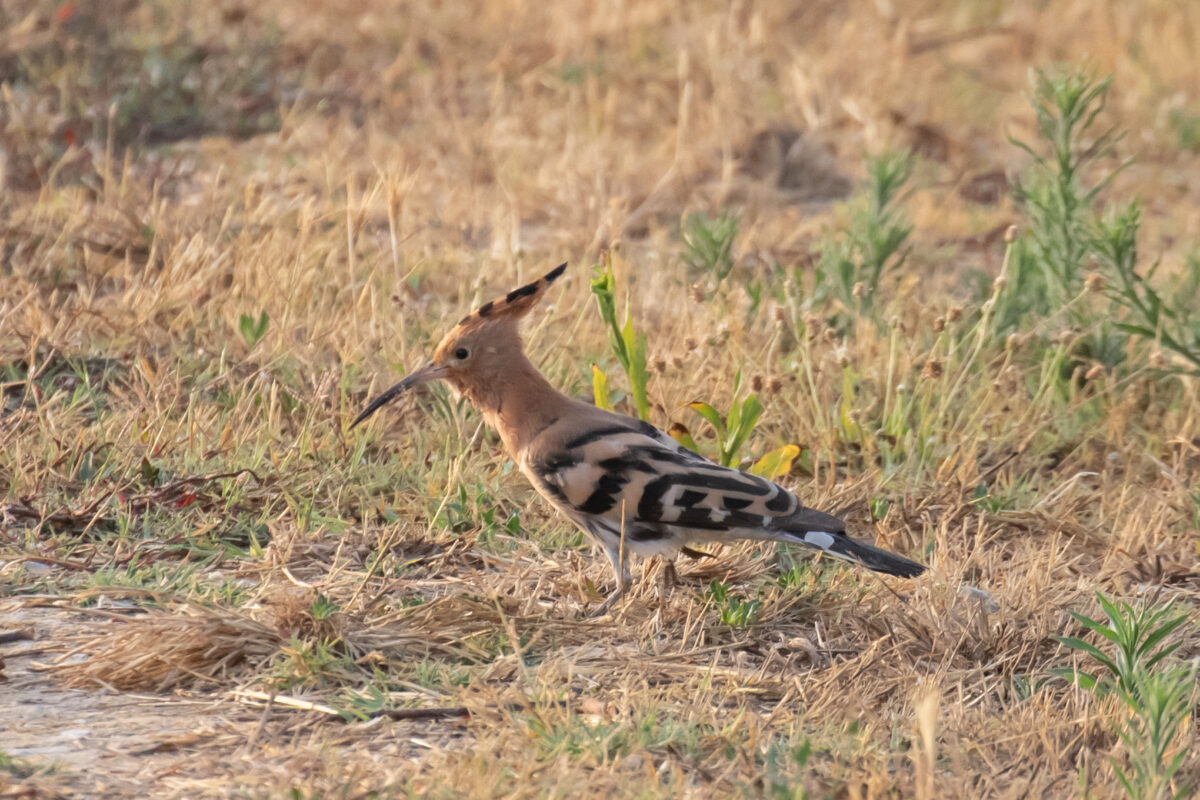
Common Hoopoes were a daily treat:


Local endemic subspecies included Mediterranean Spotted Flycatchers, which were recorded at every site we visited, from the coast to the mountains:

The loud calls of Spotted Flycatcher were the sound of Mallorca, we heard them everywhere:
Balearic Woodchat Shrikes were also very common; a pair with at least three juveniles were in the field next door;

Best of all were Eurasian Wrynecks, also in the field next door:

This incredible call stopped me in my tracks. Sounding almost like a locustella warbler, this is the begging call of a juvenile Eurasian Wryneck (volume up):
Flyover birds included Pallid Swift, Yellow-legged Gull, Red Kite, European Serin and this fabulous Black Vulture:

At night the quality continued, with Common Nightingales whistling and croaking; distant Eurasian Nightjars churring and Stone Curlews calling from all around us. On our final night, a Eurasian Nightjar made a memorable close pass right over our house. In the early hours, a distant Eurasian Scops Owl could be heard hooting metronomically. Below, the sound of hot nights (the temperature never went below 29°) Stone Curlews and the constant roar of cicadas:
Next: some wetlands.